



Introduction & Purpose المقدمة والهدف
The Egyptian hospitality and tourism industry is a cornerstone of the national economy, contributing 15% of GDP and millions of jobs before the COVID-19 pandemic. However, global and domestic crises—including political instability, the pandemic, and the Russia-Ukraine war—have severely disrupted the sector. In response, Egypt has launched reform programs emphasizing internal drivers such as workforce training, organizational change, and corporate governance. تعد صناعة الضيافة والسياحة المصرية حجر الزاوية في الاقتصاد الوطني، حيث كانت تساهم بنسبة ١٥٪ من الناتج المحلي الإجمالي وتوفر ملايين الوظائف قبل جائحة كوفيد-١٩. ومع ذلك، فإن الأزمات العالمية والمحلية - بما في ذلك عدم الاستقرار السياسي، والجائحة، والحرب الروسية الأوكرانية - قد عطلت القطاع بشكل كبير. واستجابة لذلك، أطلقت مصر برامج إصلاح تركز على المحركات الداخلية مثل تدريب القوى العاملة، والتغيير التنظيمي، وحوكمة الشركات.
This case study investigates how both state-owned and privately-owned Egyptian five-star hotels audit their Human Resource Management (HRM) practices. The key objectives are to determine how HR audits help: تستقصي دراسة الحالة هذه كيفية قيام الفنادق المصرية من فئة الخمس نجوم، المملوكة للدولة والقطاع الخاص على حد سواء، بتدقيق ممارسات إدارة الموارد البشرية لديهم. وتتمثل الأهداف الرئيسية في تحديد كيف يساعد تدقيق الموارد البشرية في:
- Reshape organizational performance إعادة تشكيل الأداء التنظيمي
- Ensure compliance with standards and best practices ضمان الامتثال للمعايير وأفضل الممارسات
- Mitigate people-related risks تخفيف المخاطر المتعلقة بالموارد البشرية والعاملين
- Correlate HR operational indicators with hospitality financial indicators ربط المؤشرات التشغيلية للموارد البشرية بالمؤشرات المالية لقطاع الضيافة
The study also provides a comprehensive self-assessment auditing tool for HRM in hotels. كما تقدم الدراسة أداة تدقيق شاملة للتقييم الذاتي لإدارة الموارد البشرية في الفنادق.
Methodology المنهجية
A qualitative case study approach was used. Data was collected through: تم استخدام منهج دراسة الحالة الوصفية النوعية. وجمعت البيانات من خلال:
- Secondary sources: Textbooks, journals, and online databases. المصادر الثانوية: الكتب المنهجية، والمجلات العلمية، وقواعد البيانات عبر الإنترنت.
- Primary sources: Structured, open-ended interviews with nine senior managers (HR Directors and functional department Directors), each lasting approximately three hours. المصادر الأولية: مقابلات مهيكلة ومفتوحة مع تسعة من كبار المديرين (مديري الموارد البشرية ومديري الإدارات التشغيلية)، استمرت كل منها حوالي ثلاث ساعات.
Case Selection اختيار الحالات الخاضعة للدراسة
Five five-star hotels were investigated: تمت دراسة خمسة فنادق من فئة الخمس نجوم:
-
Group 1 (Privately-owned, resort cities – Hurghada, Marsa Alam, Sharm El-Sheikh):
المجموعة ١ (مملوكة للقطاع الخاص، في مدن المنتجعات - الغردقة، مرسى علم، شرم الشيخ):
- Hotel A (American management chain) الفندق أ (سلسلة إدارة أمريكية)
- Hotel B (Belgian management chain) الفندق ب (سلسلة إدارة بلجيكية)
- Hotel C (French management chain) الفندق ج (سلسلة إدارة فرنسية)
-
Group 2 (State-owned, Greater Cairo):
المجموعة ٢ (مملوكة للدولة، القاهرة الكبرى):
- Hotel D (American management chain) الفندق د (سلسلة إدارة أمريكية)
- Hotel E (American management chain) الفندق هـ (سلسلة إدارة أمريكية)
Resort cities were chosen because 65% of tourists visit the Red Sea and South Sinai. Greater Cairo was selected due to the concentration of state-owned hotels. The study examined owner-management relationships and whether state ownership enhances HR conformance to functional, service, strategic, compliance, and risk parameters. تم اختيار مدن المنتجعات لأن ٦٥٪ من السياح يزورون البحر الأحمر وجنوب سيناء. وتم اختيار القاهرة الكبرى نظراً لتركز الفنادق المملوكة للدولة. وبحثت الدراسة علاقات المالك بالإدارة وما إذا كانت ملكية الدولة تعزز مطابقة الموارد البشرية للمحددات الوظيفية، والخدمية، والاستراتيجية، والامتثال، والمخاطر.
"In European chains, audits were casual... at times only paper forms were sent to the HR Director to complete without an on-site auditor." "في السلاسل الأوروبية، كان التدقيق عشوائياً وبلا تنظيم... وفي بعض الأحيان، كانت تُرسل استمارات ورقية فقط لمدير الموارد البشرية لملئها دون حضور أي مدقق للموقع."
The HR audit covered five roles: functional, service, compliance, strategic, and risk management. A scoring system based on the Malcolm Baldrige National Quality Award (MBNQA) was applied to ensure consistency. شمل تدقيق الموارد البشرية خمسة أدوار: الدور الوظيفي، والخدمي، والامتثال، والاستراتيجي، وإدارة المخاطر. وتم تطبيق نظام تسجيل نقاط يعتمد على جائزة مالكولم بالدريج الوطنية للجودة لضمان الاتساق.

Key Findings: HR Audit Practices النتائج الرئيسية: ممارسات تدقيق الموارد البشرية
Audit Frequency and Approach دورية ومنهجية التدقيق
American-managed hotels (A, D, E) demonstrate formal twice-yearly HR audits conducted by regional Chief HR officers, lasting 2–3 days with a pre-determined plan. Results are highly confidential, shown only to General Managers. In contrast, European-managed hotels (B, C) take a casual, form-based approach with no regular onsite visits. تظهر الفنادق المدارة أمريكياً (أ، د، هـ) عمليات تدقيق رسمية للموارد البشرية مرتين في السنة يقوم بها مسؤولو الموارد البشرية الإقليميون، وتستمر لمدة ٢-٣ أيام بخطة محددة. والنتائج سرية للغاية ولا تُعرض إلا على المدير العام. وفي المقابل، تتبع الفنادق المدارة أوروبياً (ب، ج) نهجاً عشوائياً يعتمد على تعبئة استمارات ورقية دون زيارات ميدانية دورية.
HR Audit Performance Breakdown by Management Style تفاصيل أداء تدقيق الموارد البشرية حسب أسلوب الإدارة
Comparative conformance levels (%) across the five core HR auditor roles, highlighting the discrepancy between American formal auditing and European casual processes. مستويات المطابقة المقارنة (٪) عبر أدوار الموارد البشرية الخمسة الأساسية، وتوضح الفارق بين التدقيق الأمريكي الرسمي والعمليات الأوروبية العشوائية.
1. Functional Role of HRM ١. الدور الوظيفي لإدارة الموارد البشرية
Workforce Planning & Recruitment: American chains use structured manpower planning based on yearly business plans and work-study techniques, starting each October/November. They utilize HRIS systems (e.g., TALEO, Hotel Career Path) and internal e-portals for promotions. European chains lack formal resourcing strategies; recruitment is budget-driven and experience-based. Social media use is unofficial. None of the hotels fully embrace AI-enabled digital recruiting or predictive workforce analytics. تخطيط القوى العاملة والتوظيف: تستخدم السلاسل الأمريكية تخطيطاً منظماً للقوى العاملة بناءً على خطط العمل السنوية وتقنيات دراسة العمل، وتبدأ في أكتوبر/نوفمبر من كل عام. وتستعين بنظم معلومات الموارد البشرية (مثل TALEO وHotel Career Path) والبوابات الإلكترونية الداخلية للترقيات. وتفتقر السلاسل الأوروبية لاستراتيجيات توظيف رسمية؛ حيث يعتمد التوظيف على الميزانية والخبرة الشخصية فقط. ويكون استخدام وسائل التواصل الاجتماعي غير رسمي. ولا تتبنى أي من الفنادق التوظيف الرقمي المدعوم بالذكاء الاصطناعي أو تحليلات القوى العاملة التنبؤية.
Selection: American-managed hotels use psychometric tests, aptitude tests, and intelligence tests for senior roles, though no validators verify results. Interviewers are not formally trained. European-managed hotels rely heavily on attitude assessment and HR Director’s judgment; no computer-based psychometric testing. الاختيار والتعيين: تستخدم الفنادق المدارة أمريكياً الاختبارات النفسية، واختبارات الكفاءة، واختبارات الذكاء للأدوار القيادية العليا، ولكن لا توجد جهة متخصصة للتحقق من صحة النتائج. كما أن المقابلين غير مدربين رسمياً. وتعتمد الفنادق المدارة أوروبياً بشكل كبير على تقييم السلوك وتخمين مدير الموارد البشرية دون أي اختبارات قياس نفسي محوسبة.
On-boarding & Off-boarding: Orientation exists but lacks follow-up. Off-boarding includes exit interviews, but results are rarely analyzed. Severance packages depend partly on employee negotiation skills. التهيئة والإنهاء: توجد تهيئة وتعريف بالعمل ولكنها تفتقر للمتابعة. وتشمل إجراءات المغادرة مقابلات نهاية الخدمة، ولكن نادراً ما يتم تحليل نتائجها. وتعتمد حزم نهاية الخدمة جزئياً على القدرة التفاوضية للموظف.
Training & Development: American hotels have behavioral training plans and online management programs (e.g., SHINE, ELEVATOR). However, technical training is unplanned, and ROI of training is not measured. Training budgets are accrual-based. European hotels have almost no structured training. High occupancy prevents training; low occupancy means low revenue, also preventing training. التدريب والتطوير: تمتلك الفنادق الأمريكية خطط تدريب سلوكية وبرامج إدارة عبر الإنترنت (مثل SHINE وELEVATOR). ومع ذلك، فإن التدريب الفني غير مخطط له، ولا يتم قياس العائد المالي من التدريب. وتعتمد ميزانيات التدريب على مبدأ الاستحقاق التراكمي. بينما لا تحتوي الفنادق الأوروبية تقريباً على تدريب منظم؛ فالإشغال المرتفع يعوق التدريب, والإشغال المنخفض يعني إيرادات منخفضة تحول دون توفير التدريب.
Succession Planning: Structured in American hotels (performance-based, cross-training). Haphazard in European hotels (external headhunting). تخطيط التعاقب الوظيفي: منظم في الفنادق الأمريكية (يعتمد على الأداء والتدريب المتبادل). وعشوائي في الفنادق الأوروبية (يعتمد على استقطاب كفاءات خارجية بشكل مفاجئ).
Performance Monitoring: All hotels use performance appraisal (not full performance management). American hotels use results for development; European hotels perform appraisals “pour la forme” (for show). Favoritism may influence evaluations. مراقبة الأداء: تستخدم جميع الفنادق تقييم الأداء (وليس إدارة الأداء الشاملة). وتستخدم الفنادق الأمريكية النتائج للتطوير الفعلي؛ بينما تجريها الفنادق الأوروبية "من أجل المظهر" فقط. وقد تؤثر المحسوبية على التقييمات.
Employee Relations & Rewards: Employee satisfaction (engagement) surveys are conducted annually, but “pulse surveys” and real-time tracking are absent. Recognition programs exist but are manager-dependent. Reward management is limited to payroll systems. No job evaluation, no total reward philosophy, and no profit-center treatment of HR. علاقات الموظفين والمكافآت: تجرى استطلاعات رضا الموظفين (الارتباط الوظيفي) سنوياً، ولكن تغيب "الاستطلاعات السريعة" والتتبع الفوري للمشاعر. وتوجد برامج تقدير لكنها تعتمد على مزاج المدير. وتقتصر إدارة المكافآت على أنظمة الرواتب؛ فلا يوجد تقييم للوظائف، ولا فلسفة مكافآت شاملة، ولا يتم التعامل مع قسم الموارد البشرية كمركز ربحي.
2. Compliance Role of HRM ٢. دور الامتثال لإدارة الموارد البشرية
All hotels demonstrate strong commitment to legal compliance (labor law, social insurance, health and safety, background checks). However diversity management is not properly implemented, and grievance policies exist but outcomes are not guaranteed in favor of complainants. HACCP (hazard prevention) exists, but employees are not adequately trained. Payroll fraud prevention mechanisms are absent. Adherence to parent company standard operating procedures (SOPs) varies significantly, especially when hotels “tweak” SOPs for local issues – which may reduce effectiveness. تظهر جميع الفنادق التزاماً قوياً بالامتثال القانوني (قانون العمل، والتأمينات الاجتماعية، والصحة والسلامة المهنية، والتحريات الجنائية). ومع ذلك، فإن إدارة التنوع والاختلاف لا تطبق بشكل سليم، وسياسات الشكاوى والتظلمات موجودة، ولكن لا تضمن حماية أو نصرة المشتكي. ونظام تحليل المخاطر ونقاط التحكم الحرجة (HACCP) موجود، لكن الموظفين غير مدربين عليه بشكل كافٍ. وآليات منع الاحتيال وسرقة الرواتب غائبة. ويختلف الالتزام بإجراءات التشغيل القياسية (SOPs) للشركة الأم بشكل كبير، خاصة عندما تعمد الفنادق إلى "تعديل" الإجراءات لتناسب قضايا محلية، مما يقلل من فاعليتها.
3. Service Role of HRM ٣. الدور الخدمي لإدارة الموارد البشرية
HR departments are generally accessible and responsive. However, not all employees have email accounts, limiting communication. There is no maximum waiting period for applicants or for resolving employee concerns, and regret letters are not sent to unsuccessful candidates. HR staff lack professional HR certifications; knowledge is market-driven or self-taught. Professionalism and uniform work standards for HR personnel are questionable. تعتبر أقسام الموارد البشرية سهلة الوصول ومتجاوبة بشكل عام. ومع ذلك، لا يمتلك جميع الموظفين حسابات بريد إلكتروني، مما يحد من فعالية التواصل. كما أنه لا توجد فترات انتظار قصوى للرد على المتقدمين أو لحل مشكلات الموظفين، ولا يتم إرسال خطابات اعتذار للمرشحين الذين لم يتم قبولهم. ويفتقر موظفو الموارد البشرية للشهادات المهنية المعتمدة؛ فالمعرفة مكتسبة ذاتياً أو مدفوعة بالسوق فقط. والمهنية ومعايير العمل الموحدة لموظفي إدارة الموارد البشرية لا تزال محل تساؤل.
4. Risk Management Role of HRM ٤. دور إدارة المخاطر لإدارة الموارد البشرية
No hotel has a dedicated risk management department or comprehensive risk assessment procedures. Risk mitigation is largely limited to adherence to statutory regulations, timely payment of taxes and social insurance, and at times unconscionable termination practices that twist legal provisions to benefit the hotel. High unemployment and industry capacity to train unskilled labor create a misunderstanding of people-related risks (e.g., talent scarcity, misaligned HR and business strategy, changing labor laws). لا يوجد بأي فندق إدارة مخصصة للمخاطر أو إجراءات شاملة لتقييمها. ويقتصر الحد من المخاطر إلى حد كبير على الالتزام بالقوانين التنظيمية وبروتوكولات الصحة والسلامة، وسداد الضرائب والتأمينات الاجتماعية في مواعيدها المقررة، وفي بعض الأحيان ممارسات الفصل التعسفي والتحايل على الأحكام القانونية لصالح الفندق. ويؤدي ارتفاع معدل البطالة وقدرة الصناعة على تدريب العمالة غير الماهرة إلى فهم خاطئ للمخاطر المتعلقة بالموارد البشرية (مثل ندرة المواهب، وعدم توافق استراتيجية الموارد البشرية مع استراتيجية العمل، والتغير في قوانين العمل).
"The strategic alignment and risk management roles of HRM were entirely disregarded in all investigated hotels." "تم إهمال أدوار التوافق الاستراتيجي وإدارة المخاطر للموارد البشرية بالكامل في جميع الفنادق التي شملتها الدراسة."
5. Strategic Role of HRM ٥. الدور الاستراتيجي لإدارة الموارد البشرية
This role was entirely disregarded in all investigated hotels. There is no evidence of vertical integration of HR strategy with hotel strategy, or horizontal integration between HR sub-units and other departments. Departmental HR strategies were absent (European-managed hotels found the term “peculiar”). Short-term objectives and daily activities dominate, and HR does not act as a strategic partner, change agent, or ambidexterity enabler. تم إهمال هذا الدور بالكامل في جميع الفنادق التي شملتها الدراسة. ولا يوجد دليل على التكامل الرأسي لاستراتيجية الموارد البشرية مع استراتيجية الفندق الشاملة، أو التكامل الأفقي بين الوحدات الفرعية للموارد البشرية والإدارات الأخرى. كما غابت استراتيجيات الموارد البشرية التفصيلية للأقسام (حتى أن الفنادق المدارة أوروبياً وجدت هذا المصطلح "غريباً"). وتهيمن الأهداف قصيرة المدى والأنشطة اليومية المعتادة على العمل، ولا يؤدي قسم الموارد البشرية دوره كشريك استراتيجي، أو وكيل تغيير، أو محفز للازدواجية التنظيمية الرشيقة.
Owner-Management Relationships علاقات المالك بالإدارة
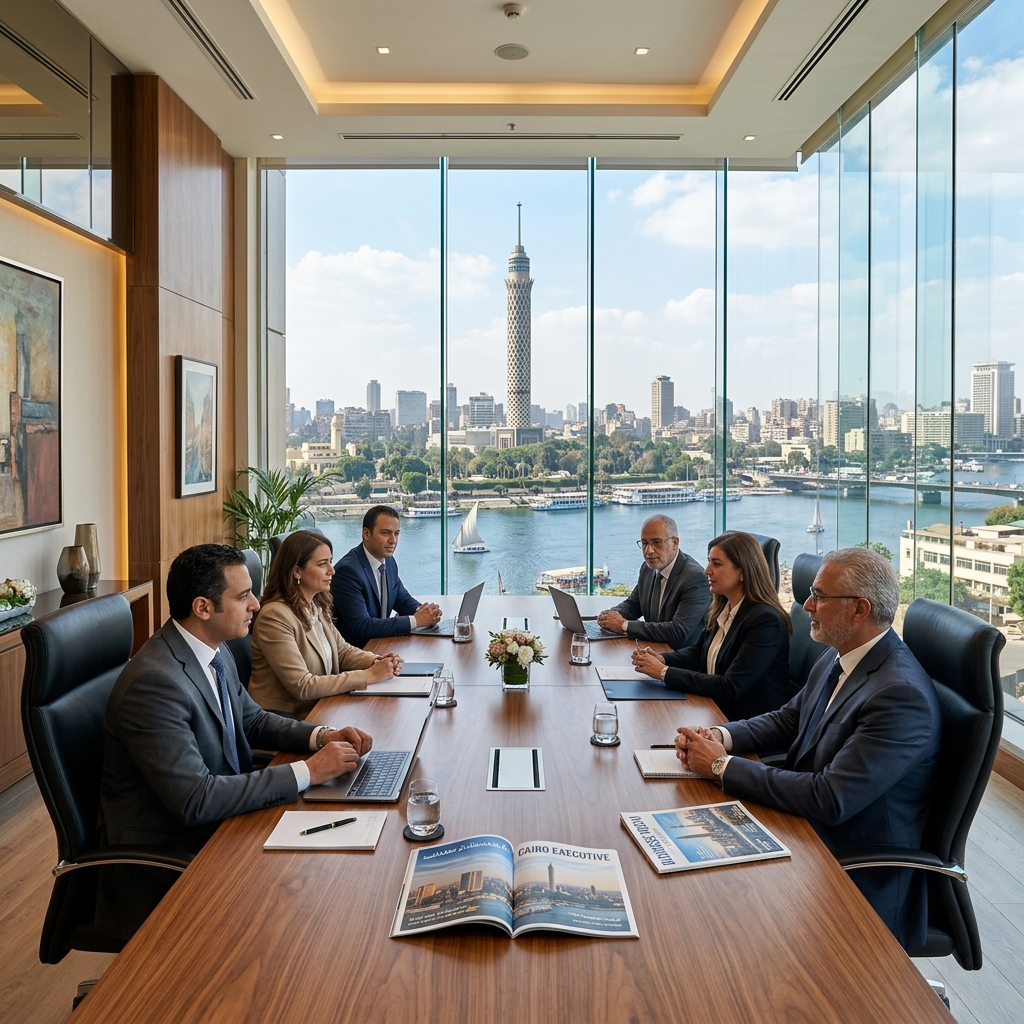
The relationship between hotel owners (including state entities) and international management companies is increasingly tense. Even long-term contracts (over 50 years) have been terminated in Greater Cairo when profit margins are not met. Owners claim not to interfere, but in practice, they challenge management decisions – especially regarding capital for renovations. State ownership does not necessarily enhance compliance or strategic alignment; government supervision continues, but no substantial benefits were confirmed. أصبحت العلاقة بين مالكي الفنادق (بما في ذلك الكيانات الحكومية) وشركات الإدارة الدولية متوترة بشكل متزايد. وقد أنهيت حتى العقود طويلة الأجل (التي تزيد عن ٥٠ عاماً) في القاهرة الكبرى عند عدم تحقيق هوامش الربح المستهدفة. ويدعي المالكون عدم التدخل، لكنهم عملياً يعترضون على القرارات الإدارية - خاصة فيما يتعلق برأس المال المخصص للتجديدات. كما لا تعزز ملكية الدولة بالضرورة الامتثال أو التوافق الاستراتيجي؛ فالإشراف الحكومي مستمر، ولكن لم يتم إثبات أي مزايا جوهرية جراء ذلك.
HR Audit Conformance: State-Owned vs. Private-Sector Hotels مطابقة تدقيق الموارد البشرية: الفنادق المملوكة للدولة مقابل القطاع الخاص
Breakdown of audit conformance (%) comparing ownership structure. The data shows state-owned Cairo hotels score slightly higher on legal compliance, but show identical deficits in strategic and risk integration. تصنيف مطابقة التدقيق (٪) مقارنة بهيكل الملكية. وتوضح البيانات أن الفنادق المملوكة للدولة بالقاهرة تسجل درجات أعلى قليلاً في الامتثال القانوني، ولكنها تعاني من نفس العجز في التكامل الاستراتيجي والمخاطر.
Main Conclusions الاستنتاجات الرئيسية
- Government ownership of hotels managed by international chains has a negligible impact on HR functional, service, strategic, compliance, or risk management conformance. تأثير ملكية الدولة للفنادق التي تديرها سلاسل دولية يكاد يكون معدوماً على مستويات مطابقة الموارد البشرية الوظيفية، والخدمية، والاستراتيجية، والامتثال، وإدارة المخاطف.
- American hotel management companies have a more comprehensive framework for analyzing HR practices than European counterparts. Their audits are regular but limited to functional, service, and compliance responsibilities. تمتلك شركات إدارة الفنادق الأمريكية إطار عمل أكثر شمولاً لتحليل ممارسات الموارد البشرية مقارنة بنظيراتها الأوروبية. وتكون عمليات التدقيق لديهم منتظمة ولكنها تقتصر على الأدوار الوظيفية، والخدمية، والامتثال.
- In all hotel chains, the strategic alignment and risk management roles of HRM are entirely disregarded, while the service role is thoroughly practiced. في جميع سلاسل الفنادق، يتم تجاهل أدوار التوافق الاستراتيجي وإدارة المخاطر للموارد البشرية بالكامل، بينما يمارس الدور الخدمي بدقة بالغة.
- HR auditing in Egyptian hotels remains descriptive and diagnostic, not prescriptive or predictive. It focuses on problem-avoidance rather than improvement-benefits. لا يزال تدقيق الموارد البشرية في الفنادق المصرية وصفياً وتشخيصياً، وليس توجيهياً أو تنبؤياً. فهو يركز على تجنب المشكلات وتلافي العقوبات القانونية بدلاً من جني فوائد التحسين والتطوير.
- None of the hotels use HR analytics as a predictive engine for organizational success. ROI of HR practices is not measured monetarily. لا تستخدم أي من الفنادق تحليلات الموارد البشرية كمحرك تنبؤي للنجاح المؤسسي. ولا يتم قياس العائد على الاستثمار من ممارسات الموارد البشرية بشكل مالي نَقدي.
- The HR department is not treated as a profit center, and HR governance (ISO30408 principles) is not implemented. لا يتم التعامل مع قسم الموارد البشرية كمركز تحقيق أرباح، كما لا تطبق حوكمة الموارد البشرية (مبادئ مواصفة الأيزو ISO30408).
Strategic Roadmap for Practice خارطة الطريق الاستراتيجية للتطبيق العملي
To maintain a competitive advantage in volatile domestic and global markets, HR Directors in Egyptian hotels must evolve beyond basic compliance and administrative service delivery. The Bridgefield Research Board recommends the following strategic actions: للحفاظ على ميزة تنافسية مستدامة في الأسواق المحلية والعالمية المتقلبة، يجب على مديري الموارد البشرية في الفنادق المصرية التطور والارتقاء إلى ما هو أبعد من مجرد الامتثال البسيط وتقديم الخدمات الإدارية المعتادة. ويوصي مجلس أبحاث بريدج فيلد بالإجراءات الاستراتيجية التالية:
Expand to 5-Role Audits توسيع نطاق التدقيق الخماسي
Conduct regular, comprehensive HR audits covering all functional, service, compliance, strategic, and risk roles to identify operational bottlenecks. إجراء عمليات تدقيق دورية وشاملة للموارد البشرية تغطي الأدوار الخمسة كاملة: الوظيفية، والخدمية، والامتثال، والاستراتيجية، وإدارة المخاطر لتحديد الاختناقات التشغيلية.
Integrate HR Strategy تكامل استراتيجية الموارد البشرية
Integrate HR strategy vertically with hotel business goals and horizontally across department silos to support growth. تحقيق التكامل الرأسي لاستراتيجية الموارد البشرية مع أهداف الفندق الاستراتيجية، والتكامل الأفقي عبر الأقسام المختلفة لإزالة الحواجز الإدارية.
Measure Financial ROI قياس العائد المالي للاستثمار
Measure the monetary ROI of HR practices, especially for training and onboarding, rather than relying on qualitative feelings. قياس العائد على الاستثمار (ROI) لممارسات الموارد البشرية بشكل مالي نَقدي، وخاصة برامج التدريب والتهيئة، بدلاً من الاعتماد على التخمين.
Adopt Predictive Analytics تبني التحليلات التنبؤية
Use predictive analytics, data models, and advanced HRIS metrics to forecast talent needs and resolve pay discrepancies. استخدام التحليلات التنبؤية، ونماذج البيانات، ومؤشرات نظم معلومات الموارد البشرية للتنبؤ باحتياجات الكفاءات وحل فروقات وجداول الأجور.
Establish Risk Management تأسيس إدارة مخاطر رأس المال البشري
Establish formal risk management processes to identify, evaluate, and mitigate people-related vulnerabilities and labor law changes. وضع عمليات رسمية وإجراءات وقائية لتحديد وتقييم وتخفيف المخاطر المتعلقة بالموظفين والتغيرات المفاجئة في قوانين العمل.
Become a Strategic Partner التحول إلى شريك استراتيجي
Treat HR as a strategic business partner and change agent, moving beyond basic administrative service delivery. التعامل مع إدارة الموارد البشرية كشريك استراتيجي في اتخاذ القرار ووكيل للتغيير المؤسسي، والتوقف عن معاملتها كقسم خدمي بحت.